
Back to perspectives
PERSPECTIVES
From Science to Scale: Alina Bassi joins as Principal
Earlybird welcomes Alina Bassi to the investment team, delivering a background that spans chemical engineering, company-building, and deeptech investments. In this piece, Alina reflects on how those experiences shape the way she thinks about technology, founders, and scale, and on what Europe still needs to turn more of its scientific strength into enduring companies.
Sep 1, 2026
6 Min Read
Earlybird News

Share
One question has followed Alina throughout her career: How do you make something work at scale?
It is a question she first asked as a chemical engineer, where the task is not simply to understand whether an idea works in a laboratory, but whether it can be built, scaled, and made meaningful. Later, as a founder, that same instinct took on a different form: Can an MVP become a company, can a team endure challenges, and can something technically possible become something people genuinely use?
Today, those experiences shape how Alina thinks as an investor. We are delighted to welcome her to Earlybird’s investment team!
From first principles to scale: Why chemical engineering?
I was drawn to engineering early. Math and science came naturally, but what appealed to me most was the combination of detail and perspective: breaking a problem down to first principles while also stepping back to understand the whole system.
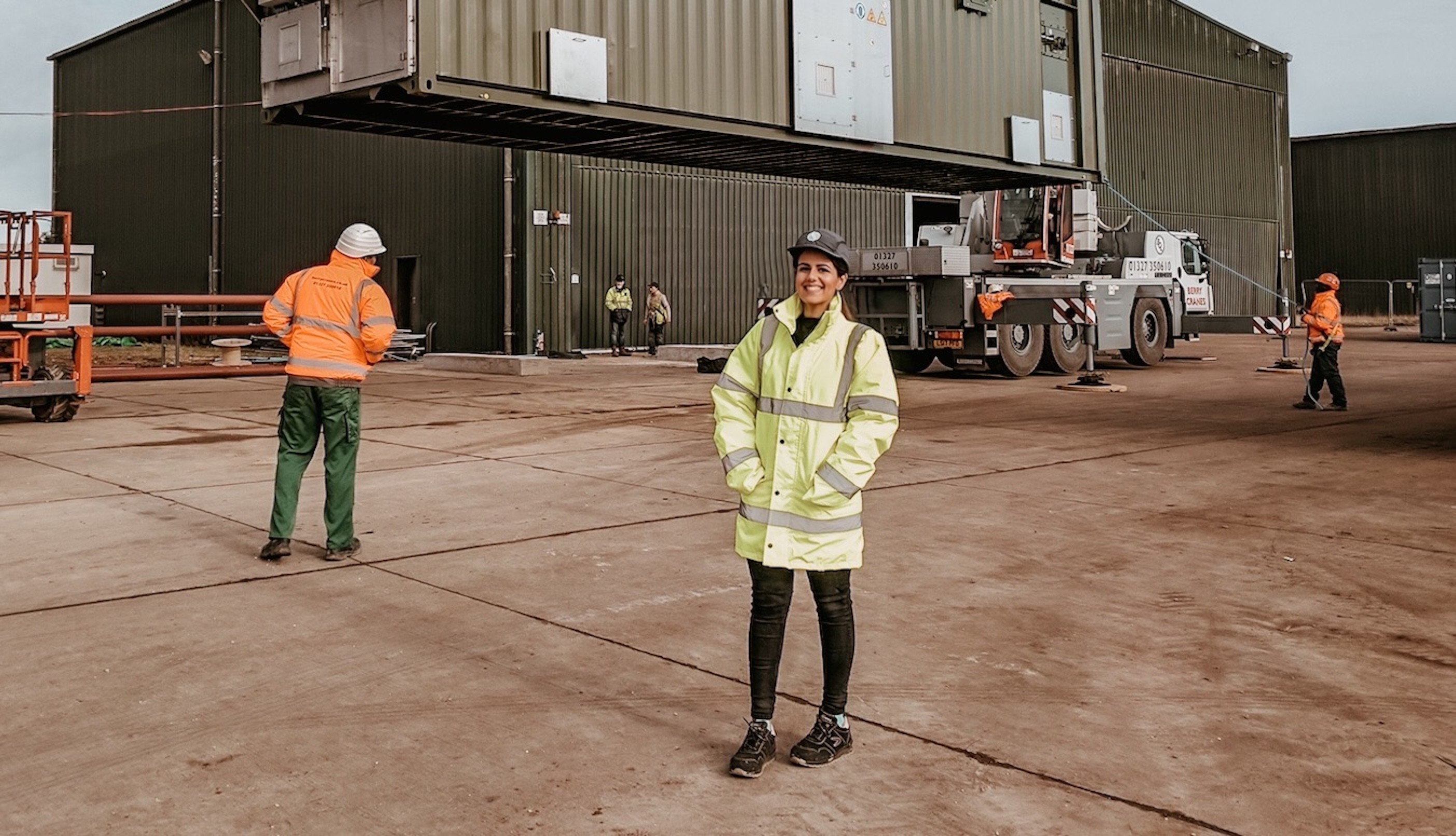
Chemical engineering suited that instinct. For me, it meant taking ideas beyond the lab and making them work in the physical world, from offshore and onshore oil and gas facilities and industrial plants at ThyssenKrupp to helping bio-bean build the world’s first biorefinery converting coffee waste into biofuels.
That experience still shapes how I look at technology today: where the technical risks sit, what the bottlenecks are, how realistic the timelines are, and whether something can truly move from pilot stage to industrial scale.
The same mindset carries into how I work with founders: understanding the real constraints and helping teams work through them.
From founder to investor: What did you learn?
Being a founder changed my perspective as much as engineering did.
It gave me a hell of a lot of respect for founders. Building a company means making decisions with incomplete information, carrying immense responsibility through uncertain moments, and continuing when the answer is incredibly unclear.
That experience has made me attentive to the person behind the company: Why this problem? Why now? What is motivating the founder to spend years trying to solve it? Can they keep going through difficult periods? And can they convince exceptional people to join them?
The founding teams I find most compelling combine strong conviction with humility. They share three things: they're smart, decisive, and they're resilient. They have a big vision paired with the grit to actually build it.
It takes “Avengers-style” founding teams: attracting people who may be better than you at particular things, but who believe strongly enough in the mission to come along for the journey. That same founder perspective shapes the kind of investor I want to be: a trusted sparring partner who can sharpen an idea, challenge an assumption, and bring clarity when the path forward is hardest to see.
Turning European science into global winners: Why European DeepTech?
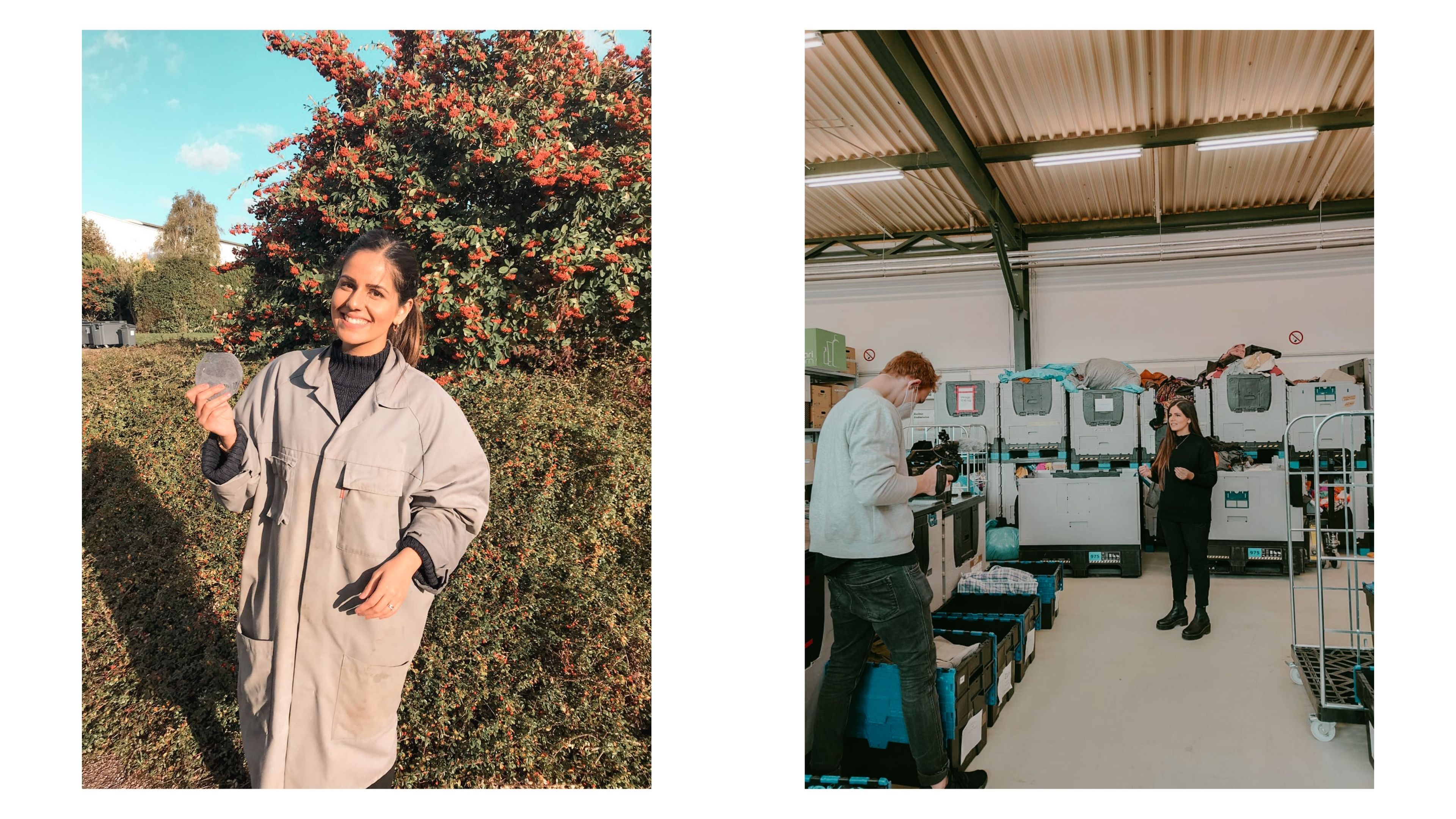
I am optimistic about Europe’s deep-tech potential. We have exceptional scientists, engineers, universities, and intellectual property. The gap often appears in the step from scientific excellence to company-building.
Europe still struggles to commercialize some of its strongest science, particularly in the transition from an excellent research project to a company that can find lasting customers and build lasting demand.
A startup cannot focus only on perfecting the science. At some point, it has to answer a more practical question: does this solve a problem somebody is willing to pay to solve?
Europe could become more comfortable with failure. Building something ambitious means accepting not every attempt will work. But without that willingness to try, it becomes much harder to build genuinely important companies.
This is especially relevant in the areas that occupy much of my thinking today: industrial tech, critical minerals, energy, new space, semiconductors, and quantum, alongside the infrastructure required for a world with rapidly growing computational and energy demands.
These are not easy problems. They sit in the physical world, where progress has to contend with industrialization, materials, supply chains, regulation, and the basic constraints of physics.
But that difficulty is part of what makes them worth working on.
A new chapter at Earlybird
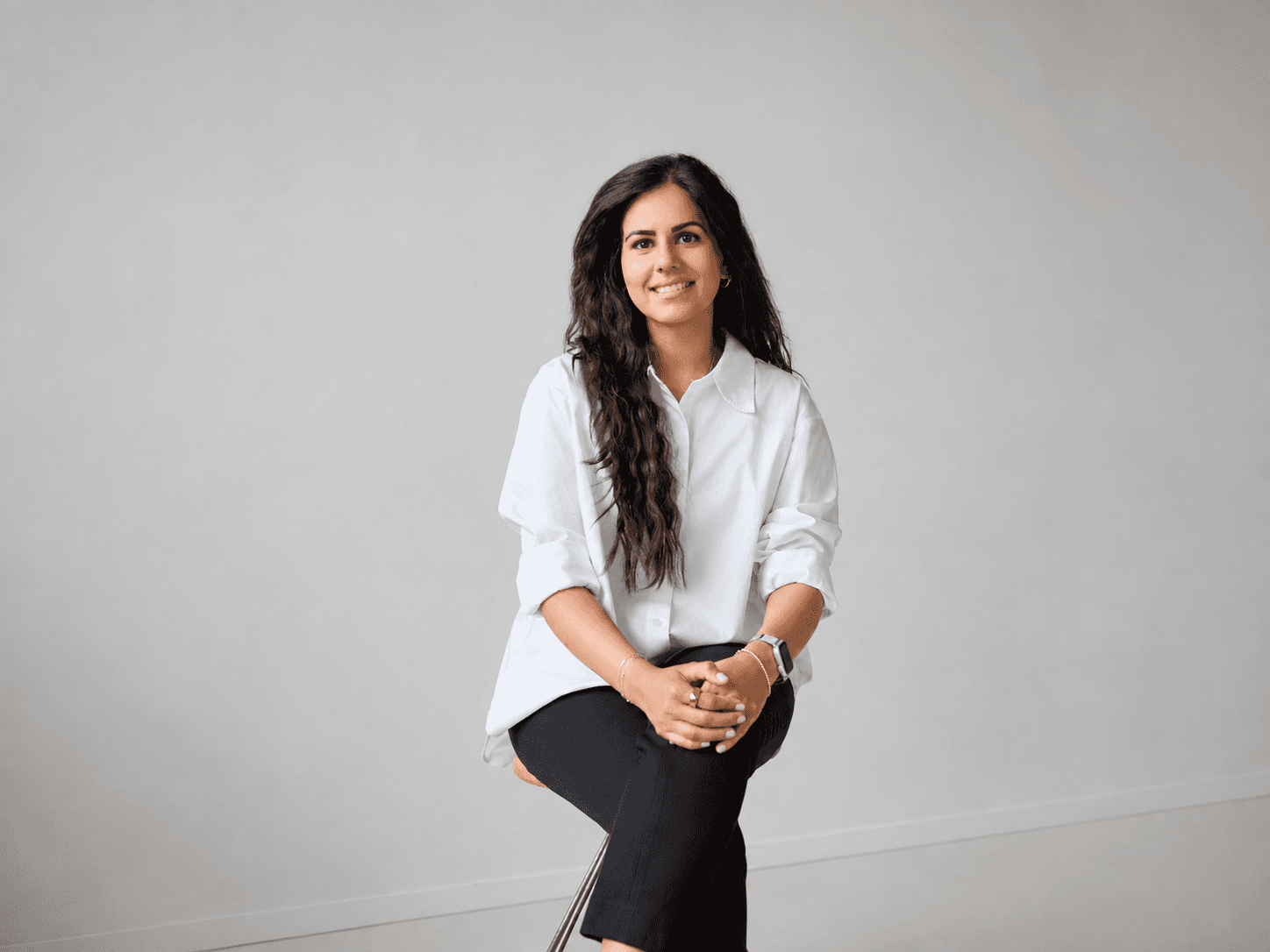
At Earlybird, Alina hopes to help build the next generation of deep-tech successes from Europe and beyond.
In many ways, it is a continuation of the same question that first drew her to engineering:
How do you take something that works in principle and make it matter at scale? What began as an engineer’s instinct to understand how things work has become an investor’s ambition to help build what comes next.
PERSPECTIVES
Related articles
Keep up with Earlybird and our portfolio companies.


